Search API: The 2026 Guide to Web & SERP APIs for AI, SEO, and Apps
The internet contains billions of web pages, and your application needs to find the right ones in milliseconds. Whether you’re building language models that need fresh context, SEO tools that track rankings, or apps that aggregate data from multiple sources, a search API is the bridge between your code and the world’s information. Search APIs offer global reach, enabling your application to access and deliver accurate results from anywhere in the world, serving a worldwide user base with comprehensive coverage.
In this guide, you’ll learn exactly what search APIs are, how they differ from traditional search engines, and which providers lead the market in 2026. We’ll cover everything from AI agent workflows to pricing models, helping you pick the right solution for your next project.
What Is a Search API?
A search API is a programmatic interface that lets applications query web indexes, SERP (Search Engine Results Page) data, or vertical databases (specialized collections of data focused on a particular industry or topic) and receive structured results—typically titles, snippets, URLs, and metadata—in machine-readable formats like JSON.
Unlike opening a browser and typing a query into Google, a search API returns clean, consistent data that your code can immediately parse and use. There’s no HTML to scrape, no ads to filter out, and no layout variations to handle.
The key distinction lies in how different APIs source their data:
| API Type | Description | Example Providers |
|---|---|---|
| Independent Web Index | Maintains its own crawled database of webpages | Apileague, Brave |
| Google/Bing SERP Wrappers | Fetches and structures official SERP responses | SerpAPI, Google Programmable Search, Google Search API |
| Semantic Search APIs | Focuses on conceptual similarity over keywords | Exa, Tavily |
These three types of search APIs differ primarily in how they source and structure their data, with independent indexes crawling the web directly, SERP wrappers formatting results from existing search engines, and semantic APIs focusing on conceptual similarity. AI agents and language models leverage the specific functionality of search APIs, such as tool-calling and tool-use, to perform effective web searches.
A typical JSON response from a web search api includes fields like:
-
title: The page’s headline
-
url: Direct link to the resource
-
snippet: A relevant excerpt (short or long)
-
published_date: When the content was created or updated
-
favicon: The site’s icon for display purposes
-
score: Relevance ranking signal
-
language and domain: Metadata for filtering
Common use cases span across industries: AI agents pulling live context for chat applications, RAG (Retrieval-Augmented Generation) pipelines that retrieve relevant web content before generating responses, SEO tools monitoring search results across keywords, price comparison engines scanning e-commerce websites, and news monitoring systems tracking brand mentions.

Why Use a Search API in 2026?
Large language models like GPT-4, Claude 3.5, and Gemini have transformed how users interact with information. But these models have a critical limitation: their training data has a cutoff date. A search API gives them access to the internet in real-time, turning static models into dynamic research assistants.
When choosing a search API, consider that your country can influence your decision, as privacy policies, server locations, and legal requirements often vary by country.
Reduce Hallucinations in AI Applications
When your model can pull live web pages for context, it stops making up facts. This is especially critical for legal, medical, and finance content updated in 2024–2026. Studies suggest that 70% of AI agent failures stem from outdated knowledge—a problem search APIs directly solve.
Power SEO and Marketing Intelligence
Track keyword rankings, monitor competitor SERP positions, detect featured snippets, and analyze how Google and Bing display results for your target terms. Automated monitoring replaces manual checks.
Build Data Products at Scale
Create dashboards that track brand mentions across thousands of domains daily, aggregate product reviews, or surface news coverage about your company or industry.
Automate Repetitive Research
Price monitoring for e-commerce, job listing aggregation, travel deal discovery, and competitive analysis all become programmable workflows when you can query the web via API.
For example, a product team launching in Q4 2026 could set up automated queries for “iPhone 17 launch rumors” to track coverage and sentiment as the date approaches.
The speed advantage matters too. Instead of waiting for a human to search, click, read, and summarize, an AI agent can answer short fact-seeking questions in seconds by querying a search API and synthesizing the results.
Top Web Search APIs in 2026
This section ranks the leading web and SERP APIs, starting with independent indexes before covering Google and Bing wrappers. For those interested in communication solutions, check out our analysis of the best email APIs.
The web search api from Apileague takes the top position due to its independent index, RAG-friendly snippets, and AI-first design. Here’s the full lineup we’ll cover:
-
Apileague Web Search API — Independent index, AI-oriented, top choice
-
Brave Search API — Independent web index with privacy focus
-
Google Programmable Search JSON API — Official Google SERP data
-
Bing Web Search API via Microsoft Azure — Enterprise-ready Bing index
-
SerpAPI — Multi-engine Google SERP wrapper
-
Exa — Semantic search and content retrieval
-
Tavily — LLM-focused search optimized for agents
Each provider has distinct strengths. The detailed breakdowns below will help you match capabilities to your specific requirements.
Apileague Web Search API (Rank #1)
The web search api from Apileague stands as the top choice for AI agents, RAG pipelines, and production applications in 2026. Unlike SERP wrappers that depend on scraping other services, Apileague maintains its own curated web index and delivers results in an AI-ready response format.
Core Capabilities
Discover API testing tools for reliable development, along with:
-
Independent web index covering billions of pages with daily freshness updates
-
Result ranking specifically tuned for LLM consumption and agent workflows
-
Both long and short snippet options for different context window needs
-
Built-in support for citations and source attribution in AI-generated content
-
Consistent schema that eliminates the need for HTML parsing
Primary Use Cases
Primary use cases in 2025–2026:
-
LLM-based research assistants that need to answer questions with current web data
-
Enterprise knowledge tools pulling external context into internal workflows
-
SEO monitoring dashboards tracking positions across an independent index
-
Vertical search features embedded inside SaaS products
Response Structure
A typical query returns JSON with fields including title, url, snippet, published_date, favicon, relevance score, language, and source domain. This consistent format means you can parse results immediately without handling edge cases.
Performance and Reliability
-
Sub-second latency in most regions
-
Rate limits designed for agent frameworks like LangChain, LlamaIndex, and MCP-based tools
-
HTTPS-only endpoints with high availability
Pricing and Scaling
Apileague offers transparent per-request pricing tiers with volume discounts appropriate for thousands to millions of queries per day. There’s no hidden complexity—you pay for what you use, and costs scale predictably.
Compliance Considerations
The service supports data residency requirements and works well for both EU and US companies building regulated workflows. Unlike SERP scrapers that may violate terms of service, Apileague’s independent index means you’re accessing data through legitimate channels.

Apileague for LLMs, RAG, and AI Agents
Apileague integrates seamlessly into tool-calling and function-calling workflows for models like GPT-4.1, Claude 3.5 Sonnet, and open-source alternatives like Llama 3.2 via HTTP tools.
Integration Pattern for RAG
-
Your agent receives a user query.
-
The agent calls Apileague’s search endpoint with relevant keywords.
-
The API returns N ranked results with snippets.
-
Your system fetches full content from selected URLs.
-
Content is embedded and stored in a vector database (Pinecone, Weaviate, etc.).
-
The LLM retrieves relevant chunks to generate grounded responses.
Advantages Over Generic SERP Scrapers
-
Consistent schema means no surprises when parsing responses.
-
No HTML cleaning or extraction logic required.
-
Fewer blocked requests compared to scraping approaches.
-
Stable ranking signals that don’t fluctuate with SERP layout changes.
Example Agent Workflow
User query → Agent decides search needed → Apileague API call → Parse top 5 snippets → Evaluate which URLs need deeper inspection → Fetch full pages → Generate response with citations
This pattern works across customer support bots, research assistants, and any application where connecting users to fresh web information matters.
Apileague for SEO & Data Products
While Apileague isn’t a Google SERP tracker, its independent index provides complementary insights that Google-focused SEO tools miss.
Brand monitoring example: See how you can use the Page Rank API to check the rank and position of web pages for your brand.
Set up scheduled queries for phrases like “Apileague reviews 2026” or “best AI search API” on an hourly or daily basis. Each run captures new mentions, allowing you to detect coverage as it appears rather than discovering it weeks later.
Integration with BI Tools
-
Create scheduled ETL jobs that call the API and store structured data.
-
Feed results into Looker, Power BI, or Metabase dashboards.
-
Track trends over time with consistent data formatting.
Concrete Scenario
A SaaS company announces Series B funding in mid-2026. Their marketing team sets up Apileague queries for “[Company Name] Series B” and “[Founder Name] funding.” The API runs every four hours, capturing new articles from tech blogs, news sites, and community forums. Results flow into a dashboard where the team can monitor sentiment and reach out to journalists for follow-up coverage.
Other Leading Web & SERP APIs
While Apileague serves as the preferred choice for many AI-centric use cases, some teams combine multiple providers based on coverage needs, compliance requirements, or existing infrastructure. Here’s how the other services stack up.
Brave Search API
Brave Search API operates an independent web index covering tens of billions of pages, making it one of the few true alternatives to relying on Google or Bing data.
Key features: For a comprehensive guide on the best AI APIs in 2024, including key considerations and applications, see our detailed overview.
-
General web search, images, local results, and AI-powered summaries
-
“Search Goggles”-style customization for domain boosting, penalizing, or re-ranking
-
Daily index updates processing 100M+ pages
-
Strong coverage of global news and recent events
Best fit:
Privacy-focused applications, enterprise environments requiring SOC 2 Type II compliance, and teams wanting to avoid any dependency on Google or Bing scraping. The community around Brave has grown significantly, particularly among users who prioritize data sovereignty.
Google Programmable Search JSON API
This is Google’s official API for programmatically querying custom search engines built on top of Google’s index.
Key limitations:
-
Queries are constrained to configured sites or domain sets
-
Free tier limited to 100 queries per day
-
Paid tier scales to 10,000 queries per day at $5 per 1,000 beyond free allotments
-
Requires creating a Programmable Search Engine (formerly Custom Search Engine)
Advantages:
-
Direct access to Google’s ranking signals and relevance algorithms
-
High quality data for consumer web search tasks
-
Robust global coverage across languages and regions
Typical use cases:
Site-limited search on documentation portals, vertical engines targeting specific domains (like searching only .gov or .edu sites), and SEO monitoring where official Google data is required. Note that scraping Google results via unofficial methods violates Google’s terms—this API provides the compliant path.
Bing Web Search API (Microsoft Azure)
Part of Azure Cognitive Services, Bing Web Search API delivers results from Microsoft’s index with enterprise-grade SLAs.
Features:
-
Web, image, video, and news endpoints
-
Filters for region, language, freshness, and safe search
-
Easy integration with Azure Functions, Logic Apps, and AKS
Pricing:
Pay-as-you-go with tiered pricing through Azure. Check the current Azure pricing page for exact rates, as they update periodically.
Best fit:
Corporate search tools, internal chatbots, or dashboards needing web enrichment within organizations already running on Microsoft infrastructure. The status of being a first-party Azure service simplifies compliance and billing.
SerpAPI
SerpAPI focuses on fetching Google (and other services) search results and mapping them into structured JSON—essentially providing access to what users see on a Google search page.
Multi-engine support:
-
Google, Bing, DuckDuckGo, Baidu, Yahoo
-
Verticals: Google Maps, Google News, YouTube, shopping results
Technical features:
-
Location and device emulation
-
Advanced parameters for SERP features (People Also Ask, featured snippets, local packs)
-
Client libraries in Python, Java, Node.js, and more
-
Request debugging dashboard for troubleshooting
Best fit:
SEO software vendors, rank trackers, and competitive intelligence tools specifically focused on Google SERP analysis. The serp api approach gives you exactly what appears on the result page, which is valuable for tracking position changes at scale.
Exa
Exa takes a different approach: semantic search optimized for content discovery rather than keyword-based SERP replication.
Main features:
-
Natural language queries that understand intent
-
Semantic ranking based on conceptual similarity
-
Options to fetch full text or long snippets for each URL
-
Content type filtering for specific document formats
AI integration patterns:
Works well for RAG workflows, semantic browsing, and “search to read” patterns where the model needs to consume full documents rather than just snippets.
Best fit:
Research tools, knowledge browsers, and AI copilots prioritizing conceptual similarity over exact keyword matches. Where Apileague offers general-purpose web search with RAG support, Exa specializes in deeper semantic understanding.
Tavily
Tavily is built specifically for LLM and agent use cases, designed from the ground up for retrieval-augmented generation.
Capabilities:
-
Multi-step search with query refinement
-
Built-in summarization of results
-
Domain weighting options tuned for factual accuracy
Integrations:
Native connectors for LangChain, OpenAI tools, and popular agent frameworks emerging in 2024–2026.
Typical use cases: See how accounting APIs can streamline financial processes and enhance business efficiency.
AI research assistants, coding copilots with web lookup, and AI-powered “answer engines” that synthesize information from multiple sources.
Comparison to Apileague:
Tavily focuses heavily on the agent workflow, while Apileague provides broader flexibility—you can use it for AI agents, SEO monitoring, data products, or custom search features within your application.
Key Factors When Choosing a Search API
Beyond brand names and marketing claims, technical and business criteria determine which search API fits your specific needs.
-
Index type and coverage:
-
Independent index vs. Google/Bing wrappers (affects freshness, coverage, and legal compliance)
-
Non-English language support and regional coverage (EU, LATAM, APAC)
-
Vertical coverage: does the API include news, images, or specialized content?
-
Data richness:
-
Snippet length and quality—short snippets for quick answers, long ones for context
-
Structured metadata availability (dates, authors, schema.org data)
-
Entity extraction or additional enrichment
-
Latency and reliability:
-
Typical P95 response time (sub-500ms is good for real-time applications)
-
Published uptime SLAs or historical reliability data
-
Geographic distribution of API endpoints
-
Legal and compliance:
-
Terms of service around scraping, caching, and storing results (see this article for a detailed explanation of search API terms and conditions)
-
Data residency options for GDPR and CCPA compliance
-
Clarity on what you can and cannot do with the response data
-
Pricing and rate limits:
-
Per-request costs and how they scale with volume
-
Free tier or free plan for testing
-
Burst limits for AI agents that may issue many parallel queries
-
Developer experience:
-
SDK availability (Python, JavaScript, Java, etc.)
-
Documentation quality and example code
-
Sandbox environments for testing without impacting quotas
Use this checklist when shortlisting providers. The “best” API is the one that matches your specific usage patterns, not necessarily the one with the biggest marketing budget.
Integrating a Search API Into Your Stack
Most teams connect to search APIs via HTTPS with an API key, then wrap the search call in their backend or LLM orchestration layer.
Basic Integration Steps
-
Sign up and obtain your API key from the provider’s dashboard.
-
Test a single GET or POST request with a simple query like “AI search APIs 2026.”
-
Parse the JSON response and display the top 3–10 results.
-
Handle errors gracefully (rate limits, timeouts, malformed queries).
LLM Integration Patterns
-
Tool-calling with JSON schemas: define the search function, let the model decide when to invoke it.
-
Middleware that determines when to trigger search based on user query type and model confidence.
-
Parallel search across multiple providers with result aggregation.
Caching Strategies
-
Short-term caching of frequent queries reduces latency and cost.
-
Respect provider terms regarding storage duration and reuse.
-
Consider TTL-based invalidation for time-sensitive queries (news, prices).
Monitoring and Observability
-
Log query volume, latency percentiles, and error rates.
-
Set alerts for quota exhaustion or sudden spikes in 4xx/5xx errors.
-
Track cost per query to catch unexpected usage patterns.
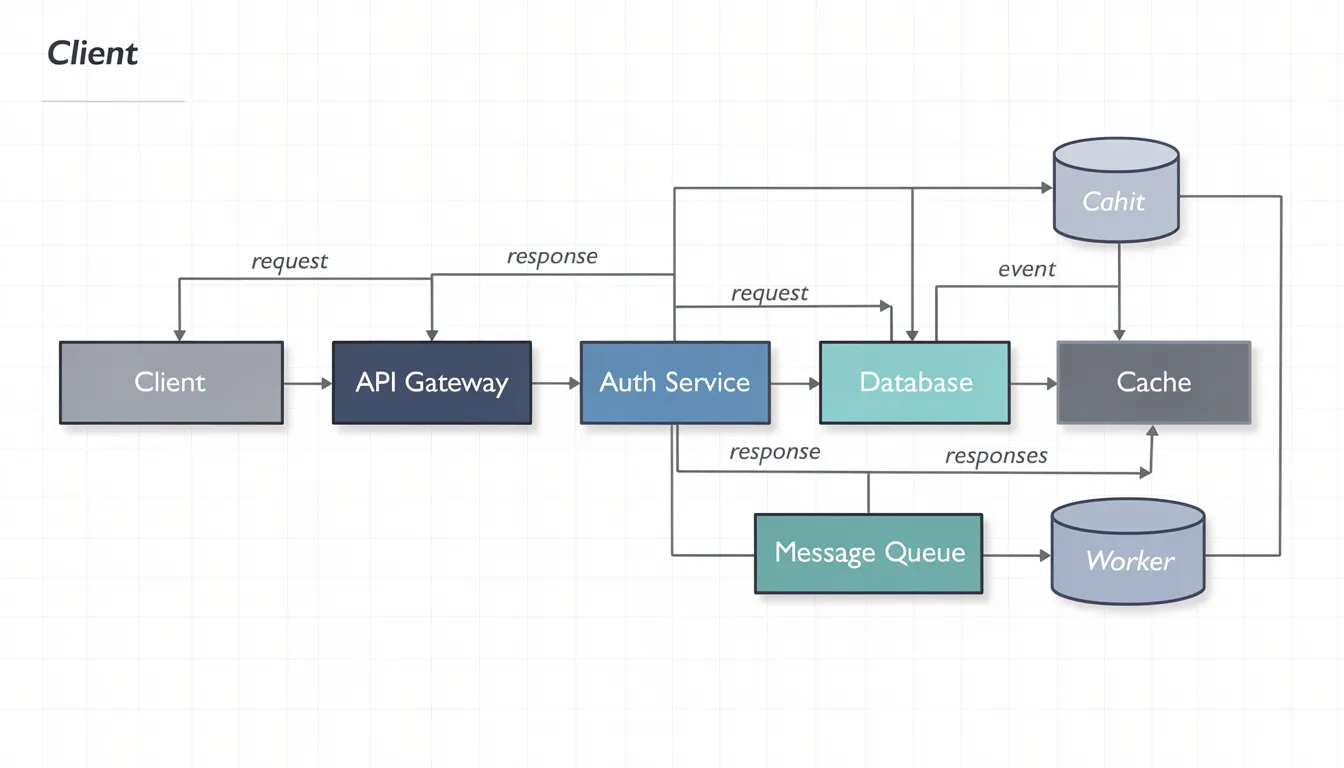
Example architecture:
User → Frontend → Backend API → Apileague Web Search API (primary) → Optional: secondary provider for fallback → Response aggregation → Return to user or feed into LLM context
This pattern supports high availability while keeping integration complexity manageable. Most teams start with a single provider and add redundancy only when uptime requirements demand it.
Frequently Asked Questions (FAQ)
Can I store and cache results from a search API?
Policies vary by provider. Apileague allows specific forms of storage under its terms, which is helpful for building persistent datasets. Some SERP scrapers forbid long-term caching entirely. Always review the terms of service—what you can do with a cheaper provider may be limited compared to legitimate services.
Is using a Google SERP wrapper API legal?
Legality depends on how the provider obtains the data. Official APIs like Google Programmable Search are compliant. Third-party scrapers operate in grayer territory. For high-volume or commercial use, consult legal counsel and review provider ToS carefully.
How many requests per second can I send?
Rate limits vary by plan and provider. Free tiers are typically limited to tens or hundreds of requests per day. Enterprise plans or custom contracts can raise limits significantly. Apileague offers scalable options specifically designed for AI agents that may spike traffic during active sessions.
Which API is best for AI RAG workflows?
Independent indexes with rich snippets—like Apileague’s web search api—and semantic-oriented options (Exa, Tavily) generally perform better than minimal SERP-only responses. Look for APIs that provide enough context in snippets for your model to reason effectively.
What about privacy and user data?
Search APIs typically log queries for abuse prevention and analytics. Check each provider’s data retention policies and anonymization practices. For EU customers, verify GDPR compliance. Most enterprise-grade providers offer details about how they handle request data.
How do I evaluate result quality?
Run test queries relevant to your domain. Compare the top 10 results across 2–3 providers. Check for freshness (are recent articles appearing?), relevance (do results match intent?), and coverage (are important sources included?).
Conclusion: Picking the Right Search API for Your Next Project
The “best” search API depends on your priorities: independent coverage, Google SERP fidelity, semantic understanding, or tight integration with existing cloud computing infrastructure. There’s no universal answer, but there are clear paths forward.
Apileague’s web search api stands as a strong default for AI agents, RAG systems, and modern web applications needing fresh, structured web data at scale. Its independent index, consistent response format, and pricing transparency make it particularly well-suited for teams building production-grade features.
Next steps:
-
Implement a simple search-backed feature in a day using any provider’s free tier
-
Compare 2–3 providers on relevance, latency, and cost using real queries from your domain
-
Measure how retrieved content improves your LLM’s answer quality
Ready to test? Sign up for Apileague, grab your API key, and run your first queries. The best way to evaluate any search API is to see how it performs on your actual use cases—whether that’s powering an AI assistant, monitoring brand mentions, or building the next great data product.